Understand the loop before optimizing it
Hearth and Hamlet begins with active gathering and grows into a kingdom-management loop: collect resources, assign villagers, construct and upgrade buildings, unlock research, govern the population, trade, use advanced systems, and prepare for raids.
The easiest beginner mistake is to pursue every visible upgrade at once. Progress is limited by the resource or worker pool that your next decision needs, so a kingdom advances more reliably when you identify one bottleneck at a time.
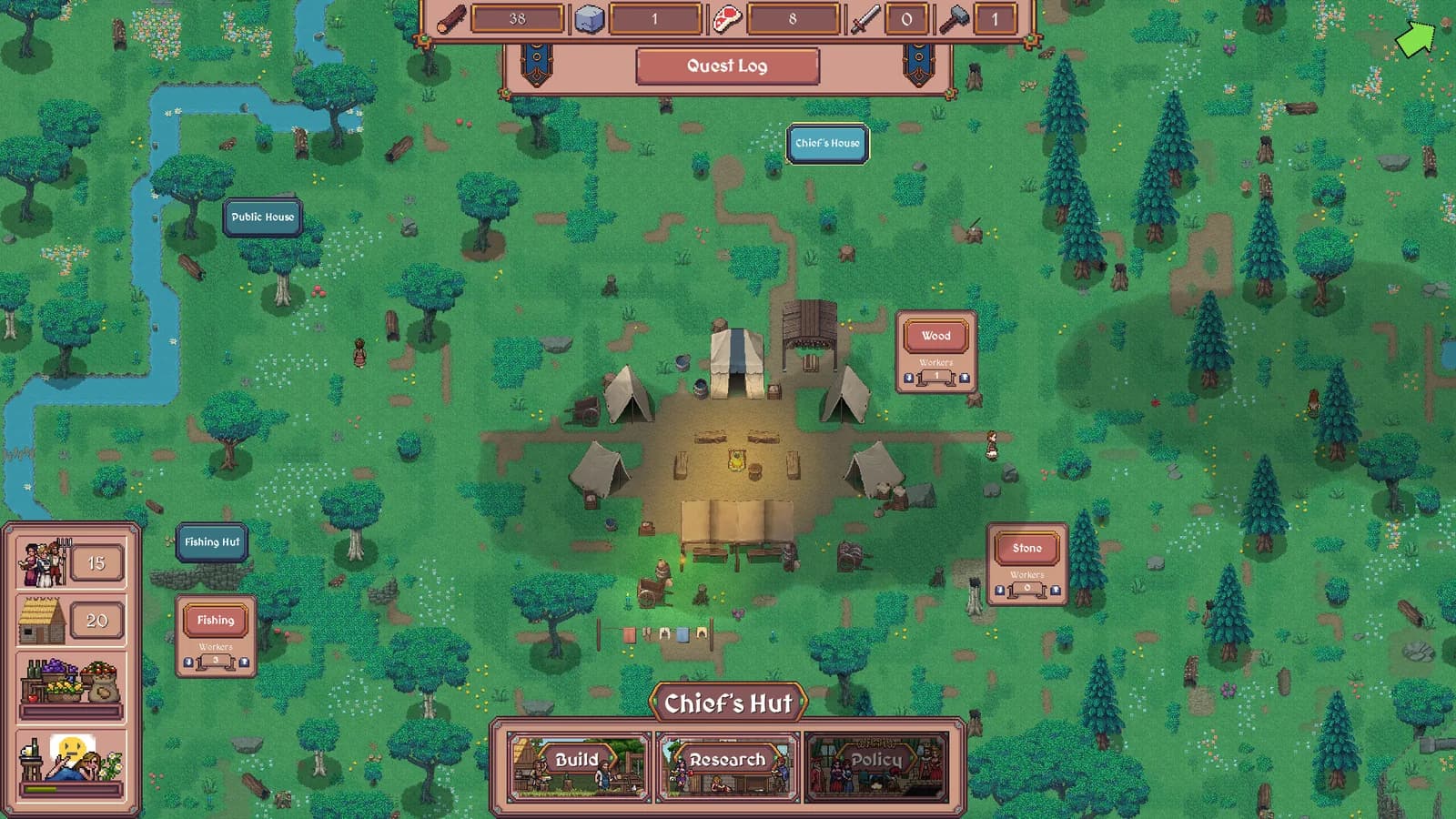
A safe opening framework
- Gather what the next instruction requires. Manual gathering helps the first steps, but it is not the long-term production plan.
- Turn population into useful jobs. New villagers create potential; assignments create output.
- Protect a positive Food trend. Population growth can turn a narrow Food surplus into a shortage.
- Spend to remove constraints. Prefer capacity, production, or required unlocks over upgrades chosen only because they glow.
- Review worker assignments after every major purchase. The resource that mattered before a building or research unlock may no longer be the bottleneck.
- Prepare for defense before the warning becomes urgent. Military readiness competes with economic growth for workers and supplies.
Before you press Build, Research, or Policy
| Check | Why it matters |
|---|---|
| Is Food rising, flat, or falling? | Population growth can turn a narrow surplus into a shortage. |
| Which resource blocks the next goal? | Producing everything equally is slower than fixing the active constraint. |
| Is any storage already full? | Workers assigned to a capped resource may add no useful output. |
| Will the purchase unlock a job you cannot staff? | A new building is not productive until the kingdom can support it. |
| Is a raid or required quest step approaching? | Optional spending can remove the reserve needed for mandatory progress. |
Read trends, not just totals
A large Food number can still be dangerous if it is falling rapidly. A small Stone stockpile may be fine if no current goal uses Stone. Watch whether a resource is rising, falling, or capped, then compare that direction with the next planned cost.
Move workers in small steps. If you transfer everyone from Wood to Food, you may solve hunger while silently stopping construction. A measured change gives the interface time to show whether the problem is fixed.
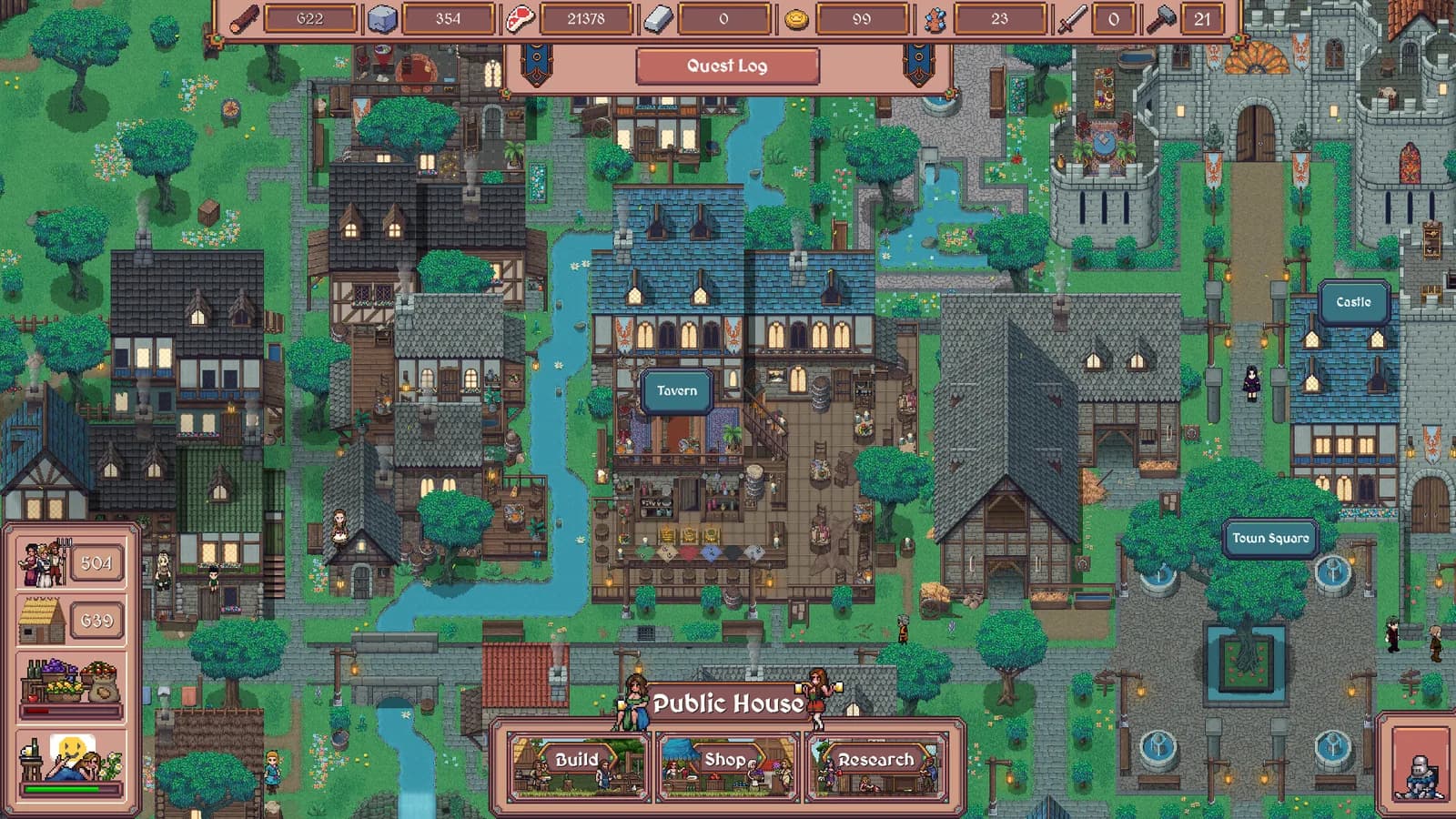
What the Demo cannot teach with certainty
Demo v1.0.46 rebalanced workers, research, and combat and ends before full progression. Exact optimal ratios, building orders, research priorities, trade rates, and raid values may change at launch. Use the Demo to learn relationships between systems rather than memorising an old number.
Next, follow the First-Hour Progression Guide or diagnose production with the Worker Allocation Guide.